Success message
Error message

A good commissioning engineer is the difference between a fire system that works in theory and one that works in a crisis. They act as the final filter, ensuring that every design intent and installation detail translates into a reliable life-safety system.
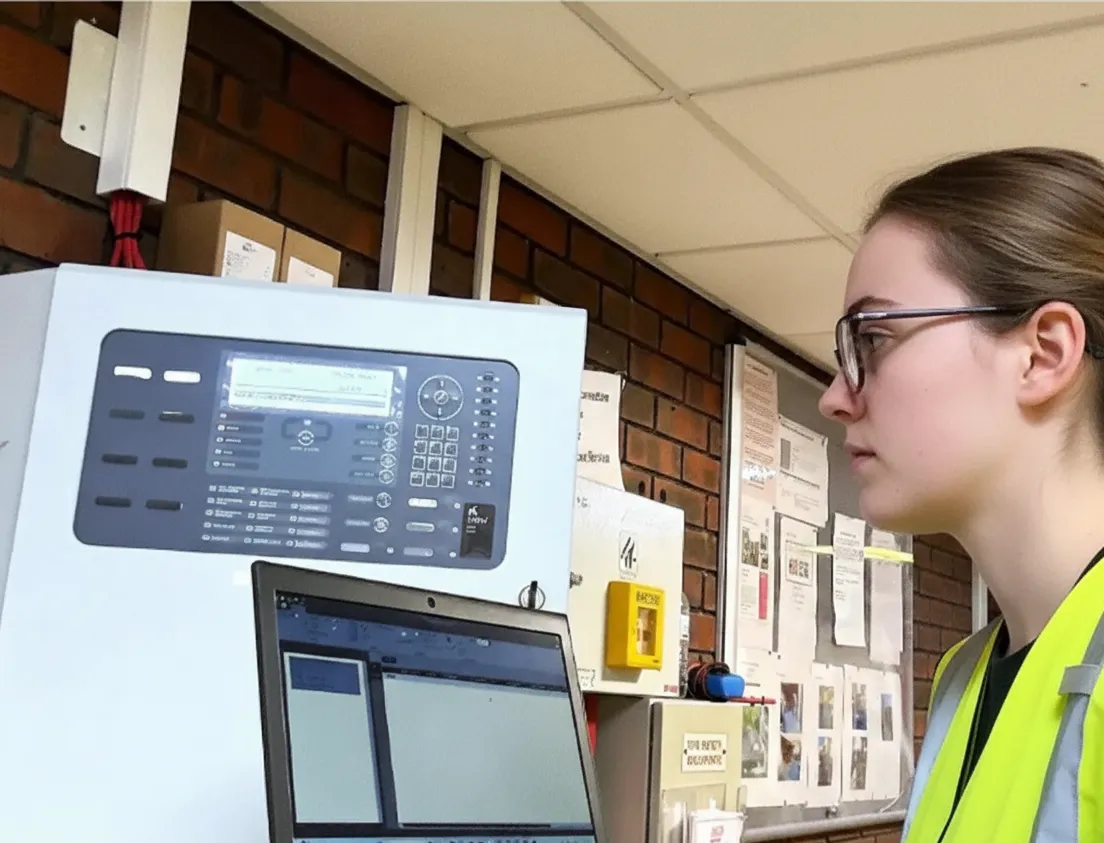
In the world of fire safety, a system is only as good as its final handshake.
While designers draft the blueprints and installers pull the cables, the Commissioning Engineer is the one who breathes life into the system. They are the technical bridge between a "set of components" and a "life-saving asset." In an industry where "almost right" isn't an option, this role is one of the most safety-critical positions in the built environment.
A fire alarm system that hasn't been rigorously commissioned is a liability waiting to happen. Without a dedicated expert at the helm, a system might:
Stay Silent: Fail to detect smoke or heat until it’s too late.
Cry Wolf: Generate persistent false alarms that lead to "alarm fatigue" and ignored evacuations.
Leave Blind Spots: Provide incomplete coverage in critical escape routes.
Legal Headaches: Result in failed insurance claims or enforcement action from authorities.
The commissioning engineer doesn't just "turn it on." They validate every sensor threshold, verify every loop’s integrity, and ensure the logic of the entire building—from elevators to fire doors—behaves exactly as it should during an emergency.
A top-tier Commissioning Engineer wears many hats. Their responsibilities blend high-level technical skill with regulatory mastery:
System Validation: Testing every manual call point, detector, and sounder to ensure 100% functionality.
The BS 5839-1 Standard-Bearer: Ensuring the entire installation complies with the latest UK Code of Practice (BS 5839-1:2025).
The Master Communicator: Handing over the system to the client, explaining the logbooks, and ensuring the "Responsible Person" knows exactly how to manage their new system.
The Forensic Problem Solver: Troubleshooting complex faults that only appear once the system is fully powered and integrated.
If you have an analytical mind and a passion for technical precision, this is a high-demand career path with impressive longevity.
Build the Foundation: Most start as qualified electricians. Understanding wiring and electrical safety is the "alphabet" of the trade.
Specialise in Fire: Move beyond general electrics into fire-specific systems, learning the nuances of detection physics and alarm zones.
Get Field Experience: There is no substitute for being on-site, interpreting complex drawings, and seeing how different manufacturers' panels behave in the wild.
The Gold Standard Qualification: To be recognized as a competent lead, you need the EAL Level 3 Award in the Requirements of Fire Detection and Fire Alarm Systems (BS 5839-1). > Why the Level 3 Matters: This isn't just a piece of paper. It is the benchmark that proves you understand design limitations, false alarm management, and the legalities of handover. It is also a key requirement for lead individuals under BAFE SP203-1 compliance schemes.
The UK is currently facing a significant skills gap in high-end fire engineering. Because fire safety regulations are constantly tightening, building owners are no longer looking for the "cheapest install"—they are looking for proven competence.
Average Salary: Approximately £39,000 per year.
London & Specialist Rates: Often exceeding £41,000+, with senior engineers on complex commercial projects earning significantly higher premiums.
At LFS, we don’t just teach you how to pass a test; we prepare you for the reality of the building site. Our EAL Level 3 Commissioning Award is delivered by industry veterans who know the BS 5839-1:2025 standard inside out.
When you train with LFS, you gain:
The confidence to sign off on major systems.
The technical jargon-busting skills to handle client handovers.
A regulated qualification that makes your CV stand out to major integrators.
Ready to move from "Installer" to "Commissioning Expert"?
🔥 [Click here to book your EAL Level 3 Commissioning Award with LFS today!]